Sonntag, 21. Februar 2021

State-run driller has to find more cash for Vaca Muerta wells Debt swap didn’t free up enough for $2.7 billion capex target


Argentina’s Shale Ambitions Hang In Balance

  •  
    State-run driller has to find more cash for Vaca Muerta wells
  •  
    Debt swap didn’t free up enough for $2.7 billion capex target

YPF SA, Argentina’s state-run oil company, needs to come up with more than $1 billion to spur drilling in Patagonia, where it’s leading development of the biggest shale patch outside the U.S.

It’s not going to be easy. YPF restructured bonds last week to free up money to spend on shale, which demands a relentless cycle of drilling and fracking. But relatively few creditors took the new notes, and the company could only get $630 million of relief from debt payments over the next two years. It wanted more than that and will have to take extra steps to achieve spending targets, according to a person familiar with the matter.

Cash Crunch

YPF has to recover investments to keep shale equity story alive

Source: YPF, Bloomberg. Note: 2020 is company estimate, 2021 is target

“They really didn’t clean their house as they’d hoped,” said Fernando Valle, an oil analyst for Bloomberg Intelligence in New York. YPF declined to comment.

YPF is aiming for capital expenditures this year of $2.7 billion, which includes $1.3 billion in shale formation Vaca Muerta, as it tries to halt four years of production declines. After the coronavirus pandemic decimated revenue and the debt swap yielded limited results, getting there will require increasing fuel prices, cutting drilling costs, selling local debt, and maybe divesting assets.

At stake is not only the company’s growth strategy, but the future of Vaca Muerta itself as capital controls turn foreign drillers away.

Cheap Fuel

Fuel sales are particularly important because YPF refines most of the oil it produces. Demand for gasoline and diesel has fallen because of the pandemic and prices for them in dollar terms are cheap, too, after years of government meddling to tame inflation.

“If you’re using YPF to subsidize consumers it won’t have capital to keep drilling,” Valle said.

The company needs to raise fuel prices this year by 5% in dollars, issue at least $400 million on the local debt market, and keep lowering costs to reach the $2.7 billion target, said Ezequiel Fernandez, an equity analyst in Buenos Aires for Balanz Capital Valores.

That level of spending would allow YPF to grow crude production by 0.5% this year and keep natural gas production flat. It’s a fine line. Anything less than $2.5 billion would mean another fall in output, Fernandez said.

Shale currently accounts for about a fifth of YPF’s crude. It wants to increase that proportion to a quarter this year and to as much as half by 2023. It produced the equivalent of 468,500 barrels a day of oil and gas in the third quarter of 2020, which is similar to Marathon Oil Corp. in the U.S.

YPF reports fourth-quarter earnings on March 4

ran to Attend OPEC+ Committee Meeting Next Month, Delegate Says By Grant Smith and Golnar Motevalli 21. Februar 2021, 14:01 MEZ Joint Ministerial Monitoring Committee to convene on March 3 Potential deal with U.S. could revive Iranian crude exports

 Markets

Iran to Attend OPEC+ Committee Meeting Next Month, Delegate Says

  •  
    Joint Ministerial Monitoring Committee to convene on March 3
  •  
    Potential deal with U.S. could revive Iranian crude exports
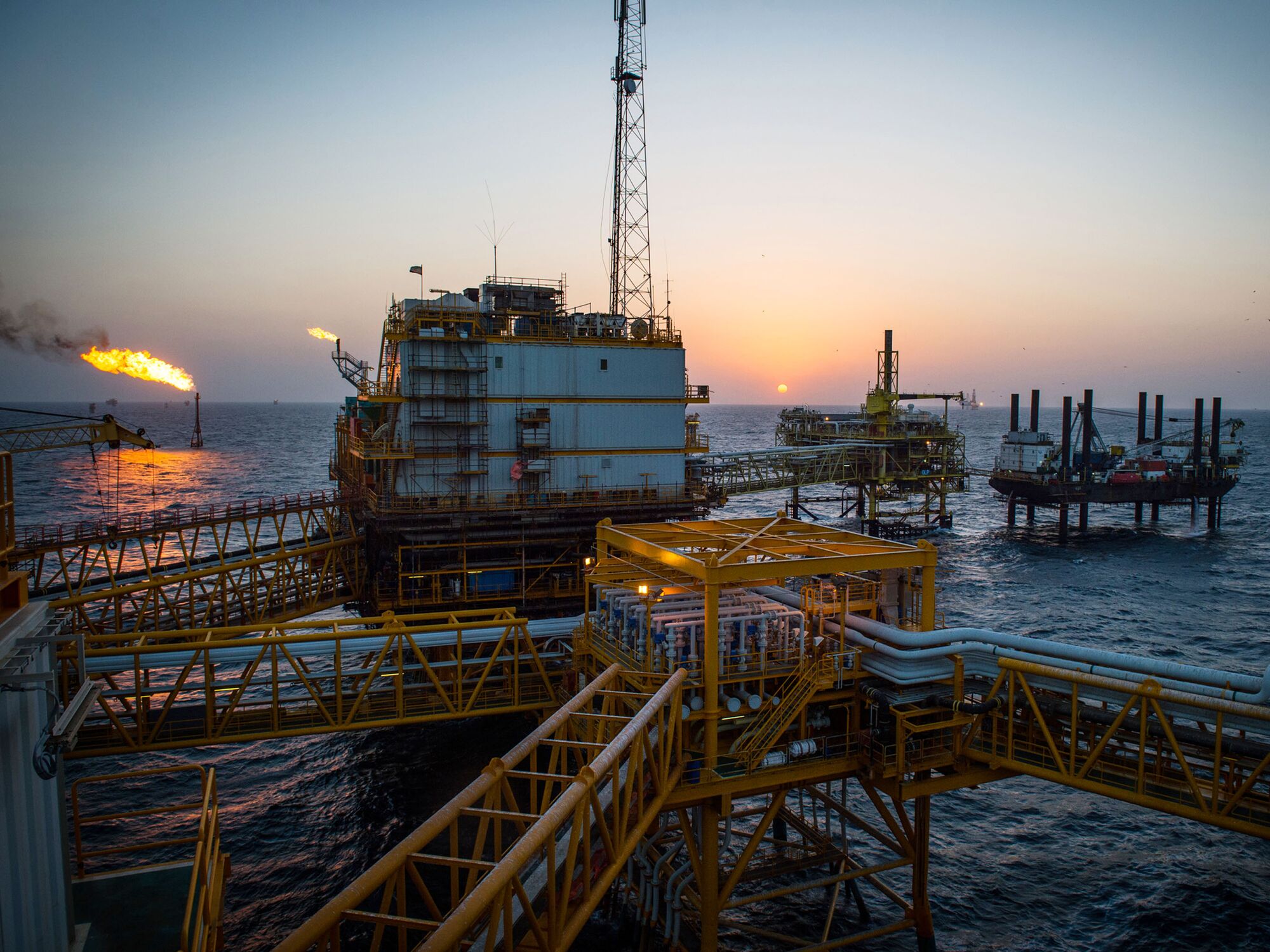
Gas flares burn from pipes aboard an offshore oil platform in the Persian Gulf's Salman Oil Field.
Gas flares burn from pipes aboard an offshore oil platform in the Persian Gulf's Salman Oil Field. Photographer: Ali Mohammadi/Bloomberg

Follow us @middleeast for more news on the region.

Iran is set to attend the meeting of an OPEC+ advisory committee next month, according to a delegate who declined to be identified.

While Iran -- exempted from OPEC’s production cuts because it’s output has been hit by U.S. sanctions -- isn’t a member of the Joint Ministerial Monitoring Committee (JMMC), it will be represented at the panel’s March 3 gathering, the delegate said. The Organization of Petroleum Exporting Countries and its allies, which include Russia, meet the following day to consider output levels for April.

READ: Saudis, Russia Differ Again on Oil Strategy Before OPEC+ Meeting

It’s not uncommon for non-JMMC members to participate in its sessions, with OPEC nations such as Libya and Venezuela having attended in the past.

Yet Iran’s presence is less typical, and comes as the Islamic Republic engages in a diplomatic back-and-forth that could eventually lift sanctions on Iranian crude exports. If significant volumes from the country hit world markets, that could complicate OPEC’s efforts to clear surplus oil inventories left behind during the pandemic.

arg30-tilgungsrendite


Maduro kauft weiterhin Zeit. Dies ist das Versprechen an diejenigen, die Anleihen gekauft haben und keinen Cent erhalten haben

 Maduro kauft weiterhin Zeit. Dies ist das Versprechen an diejenigen, die Anleihen gekauft haben und keinen Cent erhalten haben

Diesen Donnerstag gab der Präsident der Regierung der Chavista-Revolution , Nicolás Maduro, zu, dass seine Regierung mit den Anleihegläubigern von PDVSA und der Republik im Rückstand ist. Er garantierte jedoch, dass er diese Verzögerung unter anderem dankenswerterweise lösen kann zu den Maßnahmen der Präsidentenkommission von Alí Rodríguez Araque, einem Konklave, das darauf abzielt, das Fassproduktionsniveau zu reaktivieren.

"Ich bestätige allen PDVSA- und republikanischen Schuldnern, dass wir bereit sind, die gesamte Beziehung des Kreditsystems zu reaktivieren, und wir haben ein Angebot, Venezuelas Verpflichtungen gegenüber der Welt einzuhalten", sagte er.

In diesem Sinne behauptete er, dass Venezuela aufgrund des "Diebstahls von Citgo durch Juan Guaidó " nicht 500.000 Barrel Öl pro Tag von diesem in den USA ansässigen Unternehmen produziert.

Maduro bekräftigte, dass aufgrund dieser Situation zusätzlich zu den vom ehemaligen US-Präsidenten Donald Trump verhängten Sanktionen die Einnahmen aus der Ölmiete gesunken sind, was sich wiederum auf die Zahlung bereits erworbener Verpflichtungen auswirkte, beispielsweise auf die Zahlung, die den Inhabern der Anleihen entspricht von PDVSA und der Republik.

Während seiner Teilnahme an der Präsentation des Berichts und des Berichts der oben genannten Kommission gab Maduro an, dass das gesetzte Ziel darin bestehe, die Produktion des sogenannten schwarzen Goldes auf 1 Million und eine halbe Barrel pro Tag zu steigern.

"Wir sind bereit, an der produktiven Erholung zu arbeiten." Er sagte

senegal

  Markets IMF Draws Packed Senegal Session as New Program Talks Drag By  Vinicius Andrade  and  Jorgelina Do Rosario April 20, 2026 at 5:01 ...